Ceramic Tint vs Regular Tint: What Actually Survives Phoenix Heat
Lifetime Tint Warranty · Phoenix, AZ
Ceramic tint blocks the infrared heat that dyed “regular” tint mostly lets through — and in Phoenix, that infrared is what cooks your cabin. Both films can look identical the day they’re installed. After a couple of summers parked in the sun at Desert Ridge or a daily I-17 commute past our Deer Valley shop, they don’t look — or feel — anything alike. Here’s the honest breakdown we give customers at our window tinting shop in Phoenix, including the one thing nobody else covers: what Arizona law actually allows.
Key Takeaways
- Ceramic tint rejects most infrared heat — manufacturer-published specs for nano-ceramic films run roughly 80–97% IR rejection, while basic dyed film blocks very little of it.
- Regular dyed tint fades, turns purple, and bubbles under UV exposure — failure modes that show up fastest in Arizona sun.
- Arizona law (ARS 28-959.01) caps front side windows at 33% VLT, so heat rejection has to come from film technology, not extra darkness.
- Ceramic costs more up front but typically outlasts dyed film several times over — and ours carries a lifetime warranty against discolor, peeling, bubbling, and cracking.
What’s the Difference Between Ceramic Tint and Regular Tint?
The difference is what’s inside the film: ceramic tint uses non-metallic nano-ceramic particles to reflect infrared heat, while regular tint uses a layer of dye that mainly just darkens the glass. Dye absorbs some visible light, which cuts glare and adds privacy, but it does little against infrared radiation — the part of sunlight you actually feel as heat.
Between those two extremes sit two other film types you’ll be quoted around the Valley. Metallized film embeds metal particles that reflect heat reasonably well but can interfere with GPS, cell, and key-fob signals — a real problem in modern vehicles. Carbon film uses carbon particles for mid-tier heat rejection without the signal issues, and it doesn’t fade the way dye does. Ceramic sits at the top: the ceramic particles are inert, so the film doesn’t break down under UV, doesn’t interfere with electronics, and keeps rejecting heat year after year.
Ceramic vs Carbon vs Dyed Tint: Side-by-Side
Ceramic wins every performance category; dyed film wins only on up-front price. The table below reflects typical manufacturer-published ranges across the film categories — individual films vary, which is why we put a spec sheet in front of you before you pick one.
| Factor | Dyed (“Regular”) | Carbon | Ceramic |
|---|---|---|---|
| Infrared (heat) rejection | Minimal — darkens glass more than it blocks heat | Moderate | Roughly 80–97% per published specs |
| UV blocking | Partial, degrades as dye fades | High | Up to 99% |
| Fading / purpling | Common within a few Arizona summers | Resists fading | Ceramic particles don’t break down under UV |
| Signal interference | None | None | None (non-metallic) |
| Clarity at night | Darkness does the work, so visibility suffers | Good | Best — high heat rejection even in lighter shades |
| Up-front cost | Lowest | Middle | Highest |
| Typical service life in Phoenix sun | Shortest — often replaced within a few years | Long | Longest — ours is warrantied for life |
One caution from the install bay: film category isn’t the whole story. A premium film rushed onto dirty glass fails just like a cheap one — here’s what a bad tint job looks like so you can spot the warning signs on any quote you get.
Why the Difference Matters More in Phoenix Than Almost Anywhere
Phoenix summers run stretches above 110°F with asphalt surface temperatures that can exceed 150°F, so a parked cabin here absorbs more infrared load than nearly any market in the country. That’s the exact wavelength dyed film ignores and ceramic film is built to reject. In a mild climate, the gap between the two is a comfort preference. Here, it’s the difference between a steering wheel you can hold at 4 p.m. in August and one you can’t.
The Arizona sun also attacks the film itself. Year-round UV is what breaks down dye — the purple, bubbled tint you see on older cars around North Phoenix didn’t start that way; it degraded. Ceramic particles are chemically stable, so the film that survives a Norterra commuter’s tenth summer performs like it did in its first. UV protection matters for people too: the Skin Cancer Foundation notes that quality window film blocks the UVA that reaches drivers through side glass, which is why it recommends film as a sun-protection measure — relevant when your left arm gets an hour of I-17 sun every day.
Heat rejection specs are measured under standards developed by the window-film industry — the International Window Film Association (IWFA) publishes consumer guidance on how films are rated, which is worth a read before comparing any two quotes.
Is Ceramic Tint Legal in Arizona?
Yes — ceramic tint is fully legal in Arizona as long as it meets the same limits as any film: front side windows must transmit at least 33% of visible light (±3%), reflectance can’t exceed 35% (±3%), and rear side and back windows can be any darkness if you have dual outside mirrors. Those limits come from Arizona Revised Statutes §28-959.01.
| Window | Arizona Rule (ARS 28-959.01) |
|---|---|
| Windshield | Non-reflective tint above the AS-1 line only |
| Front side windows | At least 33% VLT (±3% tolerance); reflectance no more than 35% (±3%) |
| Rear side windows | Any darkness; reflectance no more than 35% (±3%) |
| Back window | Any darkness if the vehicle has dual outside mirrors |
| Colors | Red and amber tint prohibited |
| Medical exemption | Available through ADOT MVD with a licensed physician’s written attestation |
This is where ceramic earns its keep in Arizona specifically: since the law caps how dark your front windows can go, you can’t fight Phoenix heat with darkness alone. A 33% ceramic film rejects dramatically more heat than a 33% dyed film at the identical legal shade — the technology does the work the law won’t let darkness do. (This is planning guidance, not legal advice — the statute linked above is the authority.)
Is Ceramic Tint Worth the Extra Cost?
For most Phoenix drivers, yes — the heat-rejection gap is at its most valuable in this climate, and the durability gap means you’re unlikely to pay for tint twice. Dyed film costs less on day one, and if you’re tinting a car you plan to sell within a year or two, it can be the rational choice. But dyed film’s classic failure modes — discoloring, peeling, bubbling, cracking — are exactly what Arizona sun accelerates, and replacing a failed tint means paying for removal plus a second install.
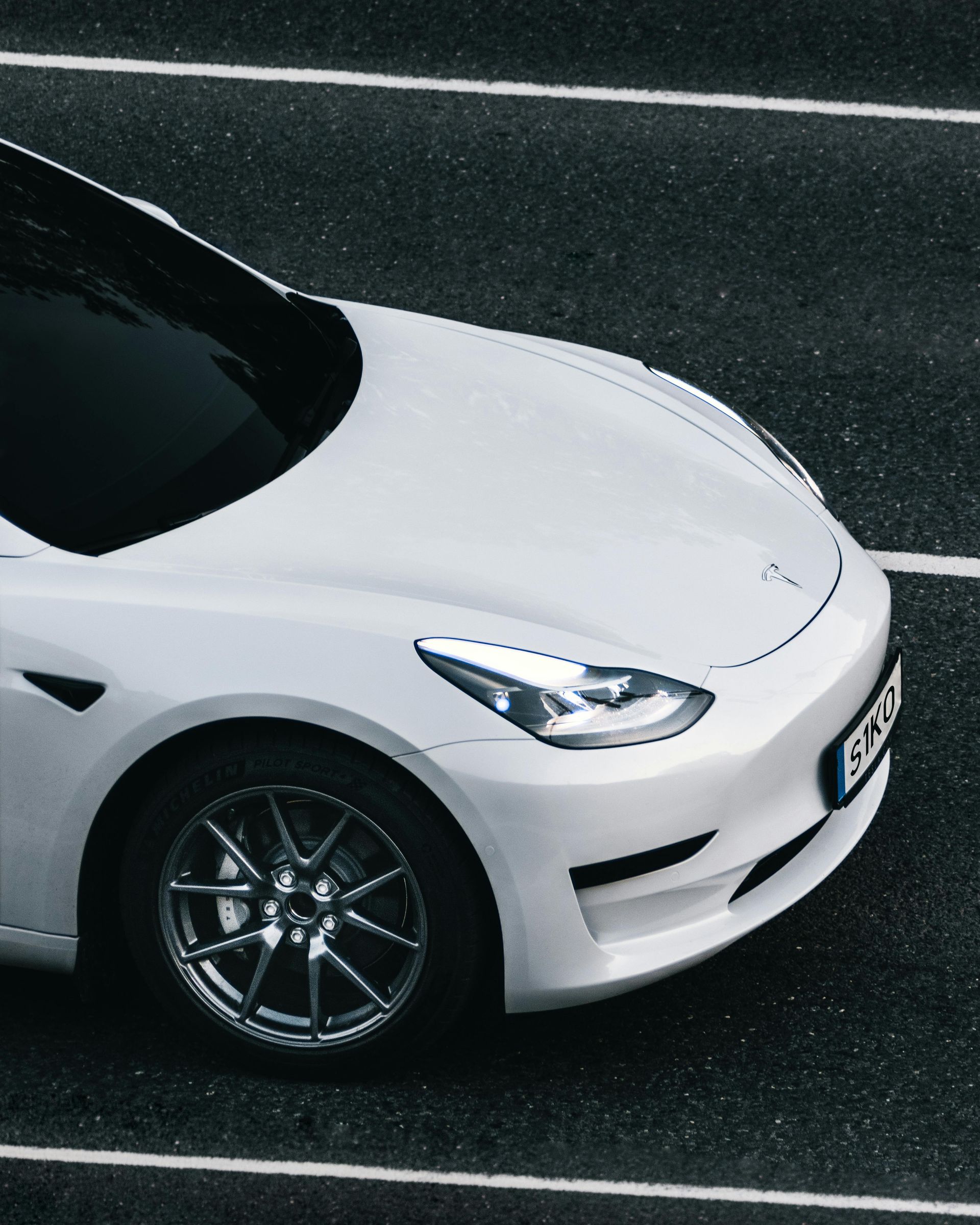
That failure list isn’t hypothetical for us: it’s the exact language of our warranty. Every tint we install at our Deer Valley shop is covered by a lifetime warranty against discolor, peeling, bubbling, and cracking — we can offer that because of the films we install and because we don’t rush the job. Steep, curved rear glass (think Teslas and modern crossovers) gets properly heat-shrunk to the glass before application rather than forced flat, which is where cut-rate installs create creases and peeling edges. For real numbers by vehicle and film level, see our breakdown of how much window tint costs in Phoenix.
Frequently Asked Questions
What is the darkest legal tint on front windows in Arizona?
Front side windows must let through at least 33% of visible light (with a ±3% tolerance), per ARS 28-959.01 — so 33% VLT is the darkest legal front tint. Most shops install 35% film up front to stay safely inside the limit once it’s measured through the glass. Rear side and back windows can be any darkness with dual outside mirrors.
Does ceramic tint interfere with phone, GPS, or key-fob signals?
No. Ceramic particles are non-metallic, so ceramic film has no effect on cell, GPS, Bluetooth, satellite radio, or toll-tag signals. It’s metallized film — an older heat-rejecting technology — that can cause interference, which is one reason ceramic replaced it at the premium end.
How long does ceramic tint last in Phoenix heat?
Quality ceramic film is built to last the life of the vehicle, even under Arizona UV, because the ceramic particles don’t degrade the way dye does. Dyed film in Phoenix commonly fades or purples within a few summers. Our installs are backed by a lifetime warranty against discolor, peeling, bubbling, and cracking, so film failure is our problem, not yours.
Can I get strong heat rejection without dark windows?
Yes — that’s ceramic tint’s signature advantage. Because the ceramic particles reject infrared heat independently of shade, a light, Arizona-legal 35% (or even lighter) ceramic film delivers heat rejection that dark dyed film can’t match. You keep night visibility and stay legal on your front windows while cutting cabin heat.
How soon after tinting can I roll my windows down?
Wait until the film has cured — typically a few days, and our installers give you an exact window for your film and the season, since Phoenix summer heat actually speeds curing. Rolling windows down early is one of the most common ways new tint gets damaged. Here’s how to tell when your tint is cured.
Get an Arizona-Legal Ceramic Tint Quote
Locally owned in North Phoenix at Deer Valley — in-shop or we come to you. Every tint is backed by our lifetime warranty against discolor, peeling, bubbling, and cracking.
Schedule an Appointment