Can you drive after installing PPF on a Rivian? It seems like a simple question. But the first few miles are key to how well the film sticks and lasts. Drivers who care about Rivian paint protection want to start driving right away. Yet, the adhesive needs time to fully bond before facing harsh conditions.
Right after installation, you might see a faint haze or tiny bubbles. These will clear up as the adhesive sets. For the first 48 hours, it's best to handle the car gently and avoid wet conditions. Light trips are okay, but heavy rain, high-pressure water, or automatic washes can damage the edges.
As the film cures over one to two weeks, temperature and humidity are important. Use mild soap and soft microfiber towels for washing. If an edge lifts, take it to a certified shop for repair. This is why following safety precautions is so important, protecting your investment in paint protection film for your Rivian.
Key Takeaways
- Early curing is critical; the first 48 hours set the bond for Rivian paint protection.
- Light driving may be acceptable, but avoid heavy rain, high-pressure water, and car washes.
- Expect slight haze or bubbles; they usually fade as adhesives cure.
- Use mild soap and microfiber for hand washes during the first two weeks only.
- Report any edge lifting to a certified installer; do not self-correct.
- Driving with PPF helps against debris, slush, and UV when paired with smart ppf safety precautions.
- paint protection film Rivian options like XPEL ULTIMATE PLUS offer pro guidance and warranty support.
Can you drive after installing PPF on a Rivian?
Drivers often wonder if they can drive after installing PPF on a Rivian. Yes, you can drive right away, but it's important to take care of the vehicle in the first 48 hours. During this time, the adhesive is curing, so it's best to keep trips short and choose dry, clean roads.
Early ppf installation care is about control, not restriction. Avoid heavy rain, puddles, and road spray. Also, don't use pressure washers or tunnel washes. Park indoors or in shade to prevent dust, sap, and grit from getting on the PPF.
Follow simple ppf safety precautions to protect the edges and seams. Don't press, pick, or test the film with your fingernails. If you must drive, choose gentle routes and moderate speeds. Keep the surface dry when possible and wipe away light dust with a clean microfiber, not abrasives.
Owners who use XPEL films through the Rivian network get self-healing and tight edge seals. Yet, early care is key. XPEL Certified Rivian partners offer a five-year or 60,000-mile warranty, assuming careful handling in the first days. If unsure, it's best to call the installer instead of touching lifted edges.
For the first two weeks, be patient and use common sense. Hand wash only with pH-neutral, PPF-safe soap and soft towels. Check the edges after drives in dry conditions. These steps help answer the question—can you drive after installing ppf on a Rivian—while keeping the film stable and the finish looking new.
Post-installation care: first 48 hours to two weeks
The first 48 hours after ppf installation on a Rivian are quiet time. The film needs to set, so it should be kept dry and parked indoors or in shade. Small bubbles or a light haze can appear as adhesives cure. They usually fade on their own. For ppf safety precautions, avoid pressing edges, automatic car washes, high-pressure water, heavy rain, and parking under trees where sap and debris can land on the surface.
Days 3 to 14 are the steady cure window. Temperature and humidity will guide the pace, but gentle care helps. Hand wash only with a mild, pH‑neutral, PPF-safe soap and a clean microfiber mitt. Dry with soft microfiber towels. Skip abrasive tools and rough towels. These ppf care tips keep the edges clean and stable and protect the paint protection film Rivian owners expect to last.
- Inspect edges after each wash and contact the installer if any section lifts.
- Expect moisture bubbles to dissipate within two weeks as curing continues.
After two weeks, ppf maintenance shifts to a simple rhythm. Wash every 2–3 weeks and avoid direct sun during washing to reduce water spots. Do not use brush-style automatic washes, harsh chemicals, solvent-based cleaners, or waxes with petroleum distillates. For bugs, bird droppings, or sap, rinse promptly, use a PPF-safe cleaner with microfiber, and for stubborn spots, dab lightly with isopropyl alcohol on microfiber—never rub hard.
A PPF-specific sealant applied on a regular schedule helps resist contaminants and keeps the film looking clear. Many modern films self-heal from light swirls; a bit of sun can level them out. Low heat from a hair dryer or heat gun held a few inches away can assist, but avoid overheating and seek a professional for deep scratches or edge damage. These ppf safety precautions preserve the paint protection film Rivian finish and extend results from a quality ppf installation.
- Winter: Rinse off road salt often; use touchless washes if hand washing is not practical.
- Summer: Favor shade parking and apply a PPF-friendly spray sealant every few months.
- Spring and fall: Inspect after storms and remove pollen and tree sap promptly.
Common myths deserve clarity. PPF is not maintenance-free; routine ppf maintenance is required. Standard waxes can harm film chemistry, and only minor scratches self-heal. With the right ppf care tips in place, paint protection film Rivian owners rely on will cure cleanly and stay sharp through every season.
Rivian-specific PPF benefits, options, and maintenance
The R1T and R1S trucks get special protection with rivian ppf packages. Shops use XPEL film for different coverages. You can choose from Front Partial, Full Frontend, High Impact, or Full Coverage. Each option keeps the paint looking new without changing the truck's look.
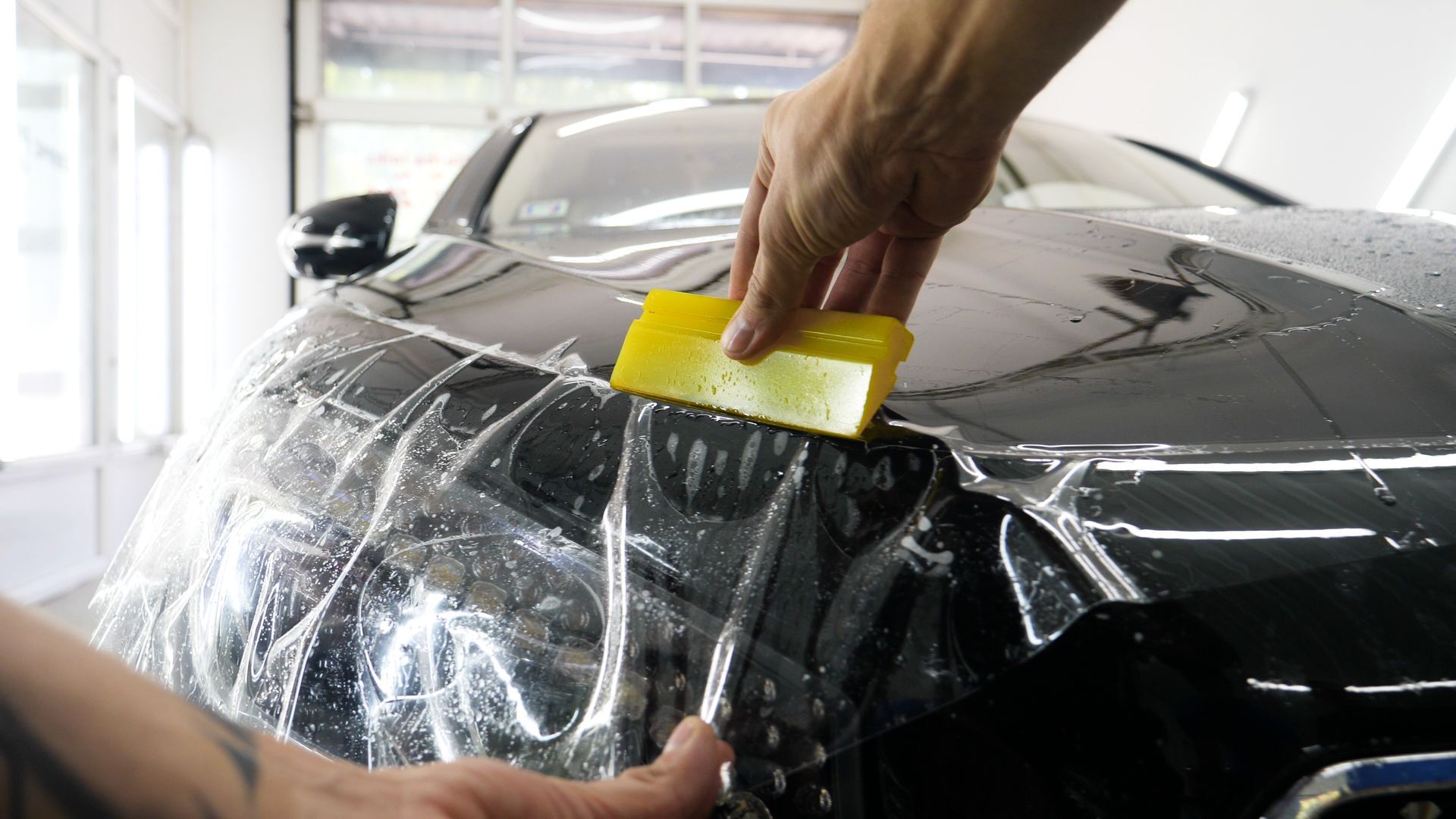
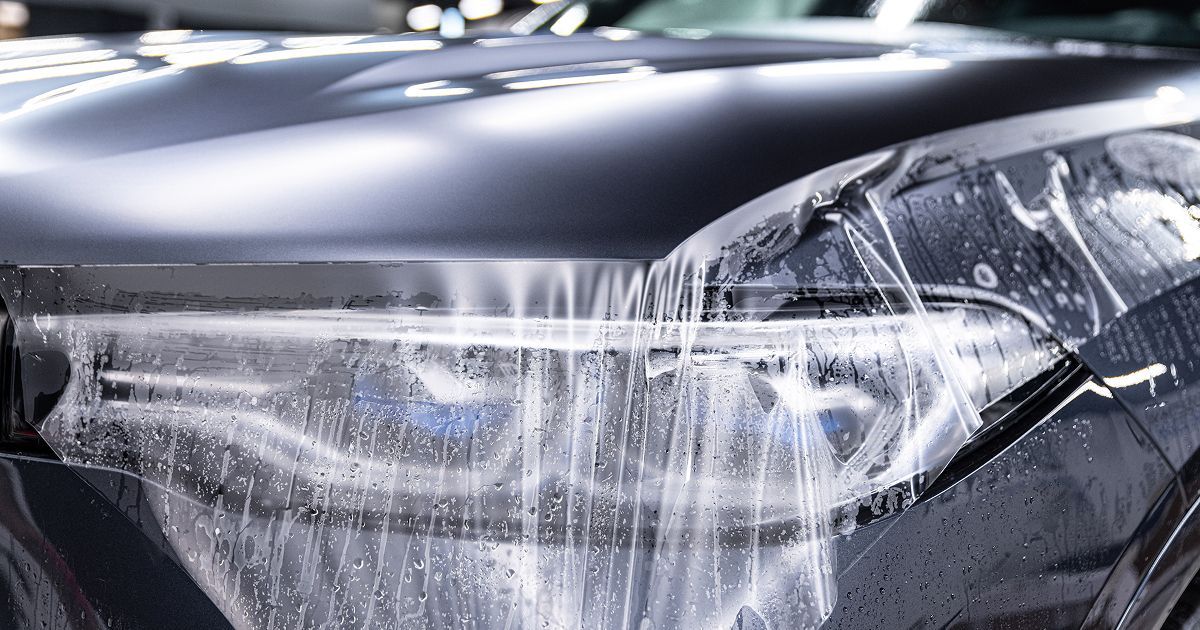
XPEL film is top-notch, with self-healing and strong stain resistance. Installers start with a deep wash and clean. Then, they carefully fit the film to the truck's shape. You can choose from gloss or matte finishes, including metallic flake on Forest Green builds.
Rivian and XPEL offer a range of paint protection options. ULTIMATE PLUS covers the full front, rocker panels, and door sills. PRIME window tints, like PRIME CS and PRIME XR, control heat and UV. Prices are the same across the XPEL Certified Rivian Network, and work comes with clear warranties.
For those in harsh climates, High Impact or Full Coverage is best. Winter weather, UV, and gravel can damage the paint. But with the right ppf, cleaning is easy, and minor scratches can heal with sun or gentle heat.
- Benefits: preserves paint color, reduces chips and scratches, and improves stain resistance.
- Options: Front Partial, Full Frontend, High Impact, and Full Coverage for R1T and R1S.
- Finish choices: gloss or matte XPEL Stealth to match style goals.
- Care: avoid harsh chemicals, rinse often, and address tar or sap as soon as possible.
Conclusion
For Rivian paint protection, the safest path is simple and clear. Adhesives start setting at 48 hours and reach full cure in about two weeks. During the first 48 hours, keep driving with ppf to a minimum and stick to clean, dry roads. Avoid rain, car washes, and high-pressure water.
Do not press film edges, and expect light haze or small bubbles to ease as the film cures—these are normal ppf safety precautions.
Across the first two weeks, use gentle hand washes only with PPF-safe soap and a microfiber mitt. Skip brush tunnels, harsh chemicals, abrasives, and pressure near edges. Book a two-week check with the installer to address any lifting or trapped moisture. These ppf care tips protect adhesion and preserve clarity, forming the core of smart ppf maintenance.
Rivian owners can choose self-healing films and tailored coverage that fit U.S. roads, winter salt, and strong UV. Options range from Front Partial to Full Coverage, with gloss or matte finishes from brands like XPEL. Rivian’s official program with XPEL ULTIMATE PLUS and PRIME Window Film, installed by certified partners and backed by a five-year/60,000-mile warranty, gives a reliable route to long-term Rivian paint protection.
Over the long haul, keep the film clean every two to three weeks, remove bugs, droppings, and sap fast, and use PPF-friendly sealants. Light swirls often self-heal with sun or low, controlled heat; deeper damage calls for a pro. Follow these ppf care tips and ppf safety precautions to make driving with ppf worry-free and to extend the life of your Rivian paint protection for years to come.
Contact Impeccable Detail today for
professional paint protection film services for your BMW, Rivian, or Porsche in the Phoenix area!