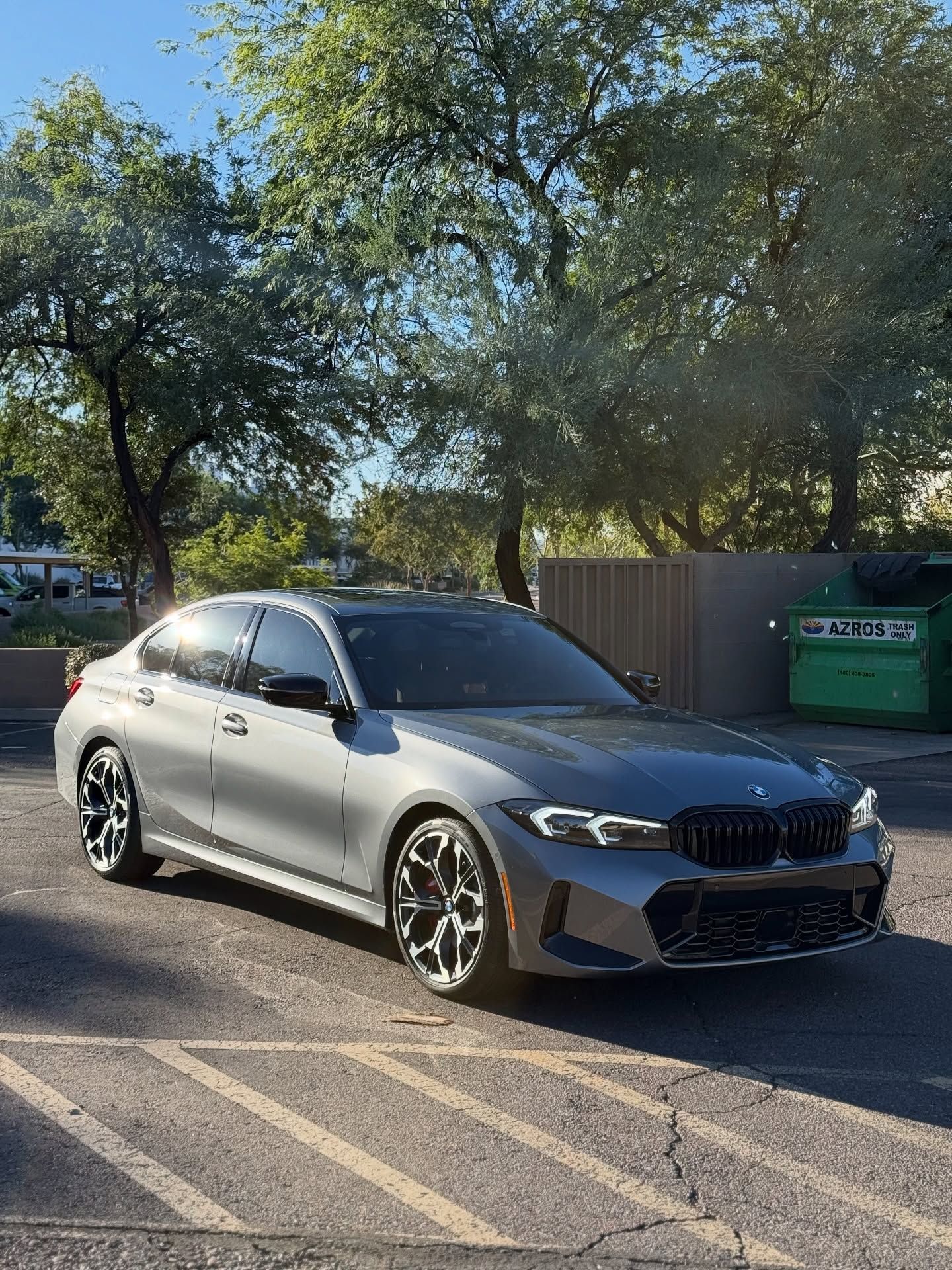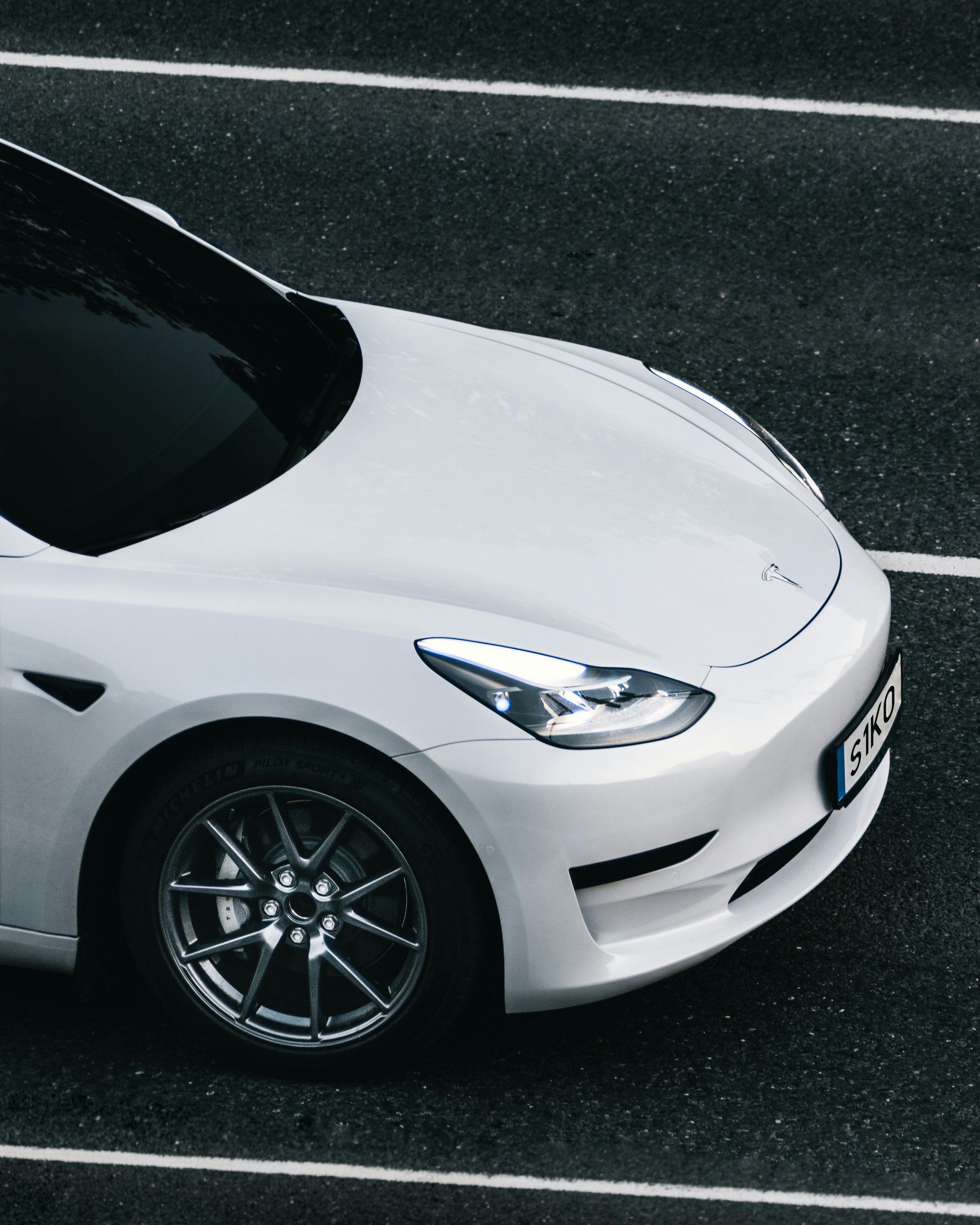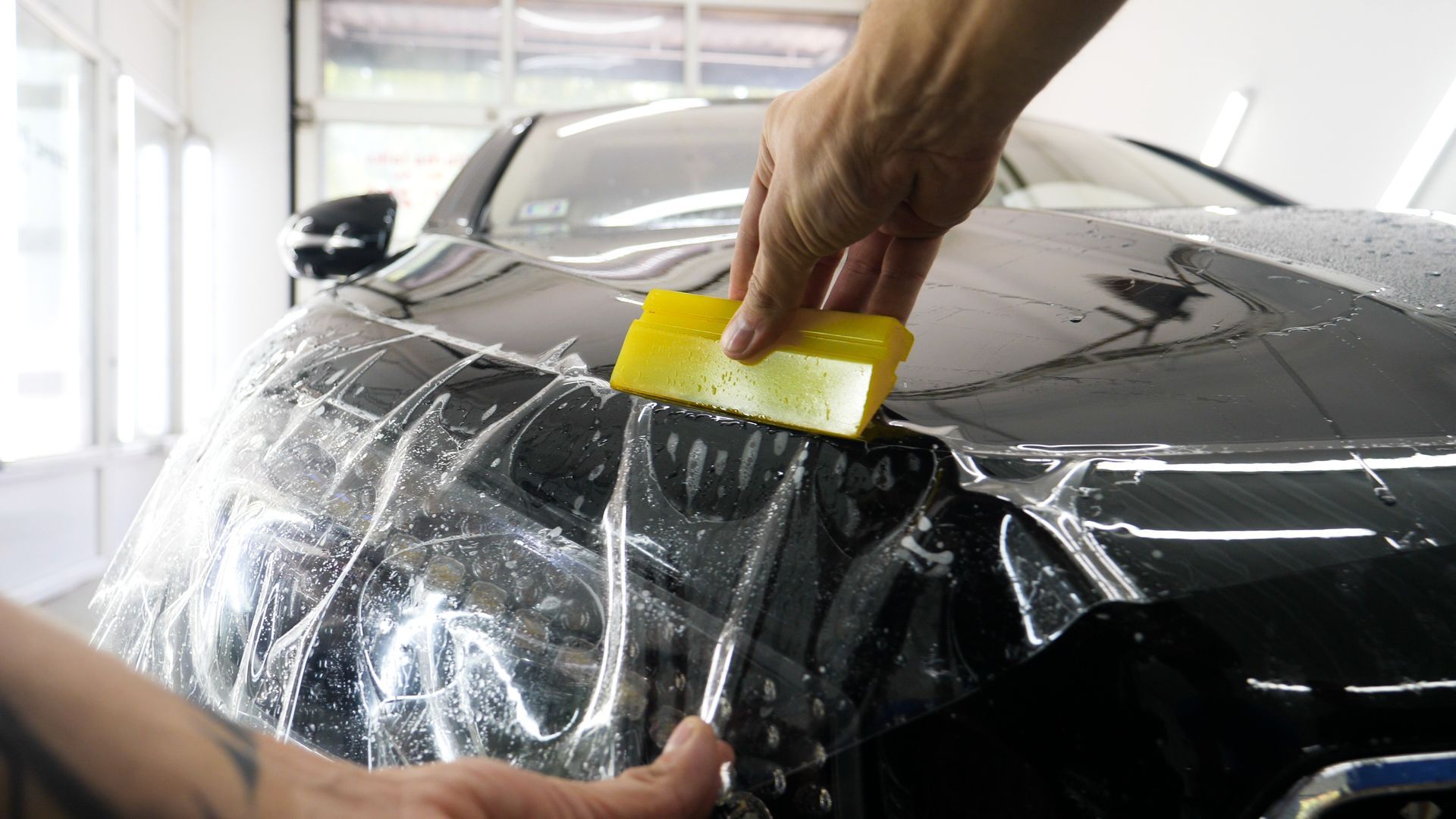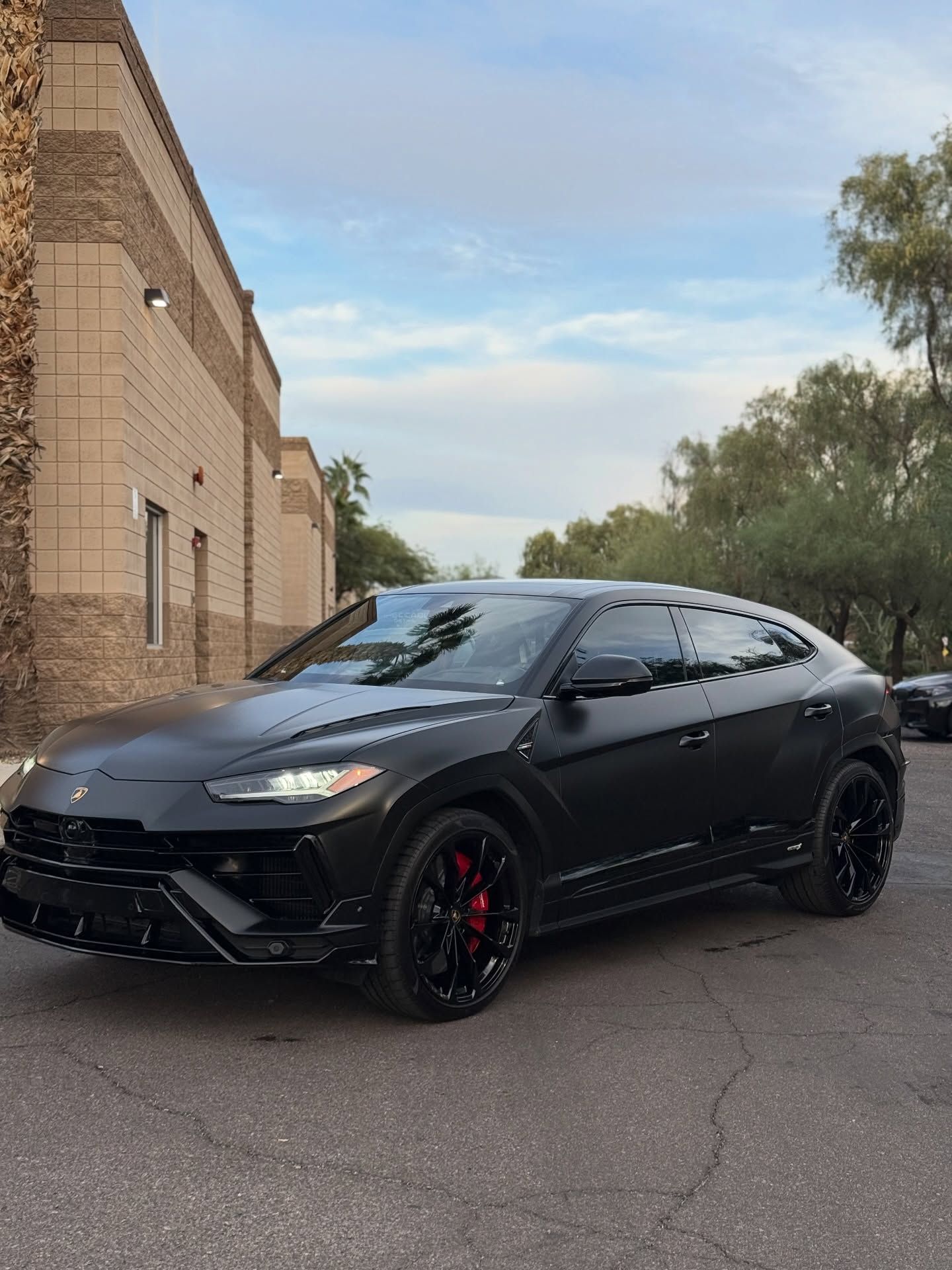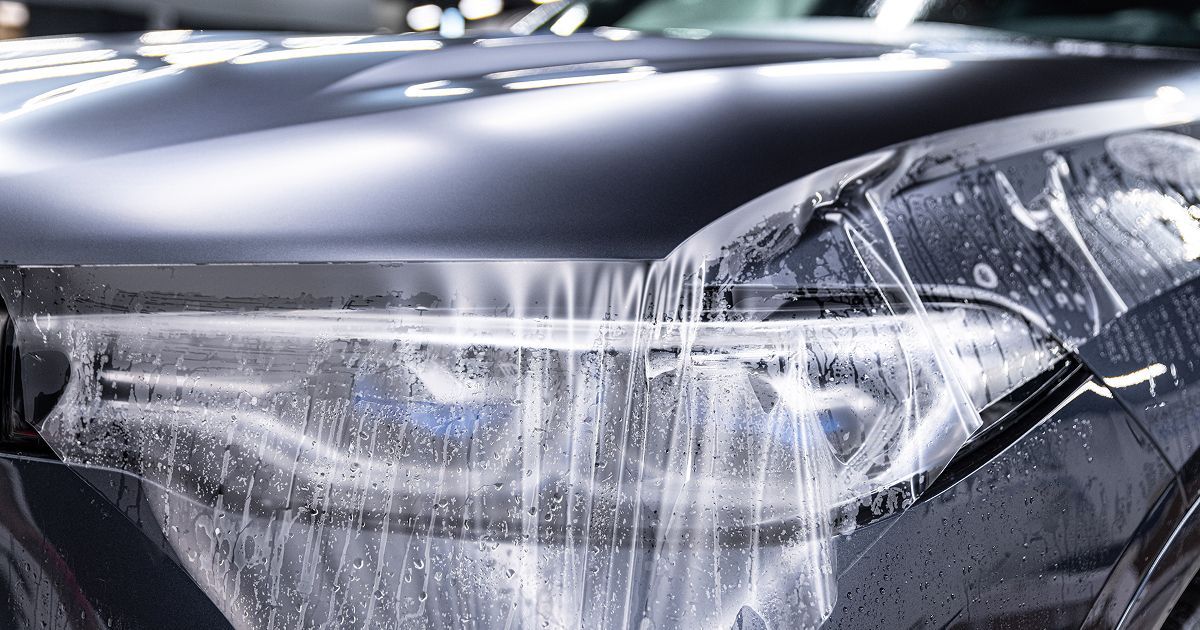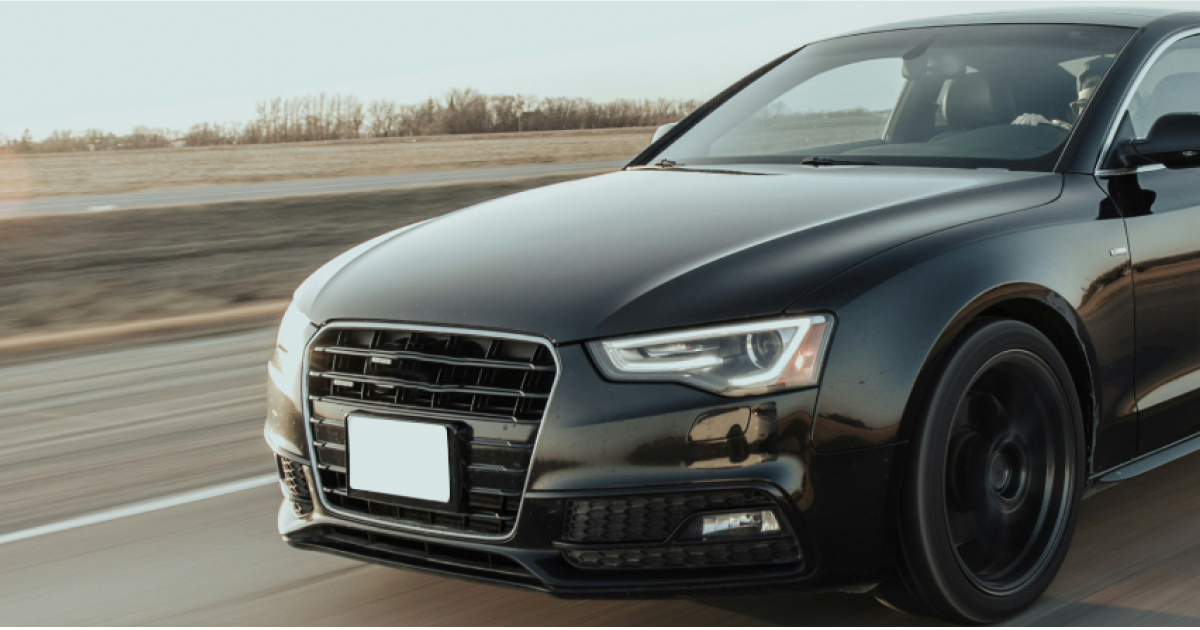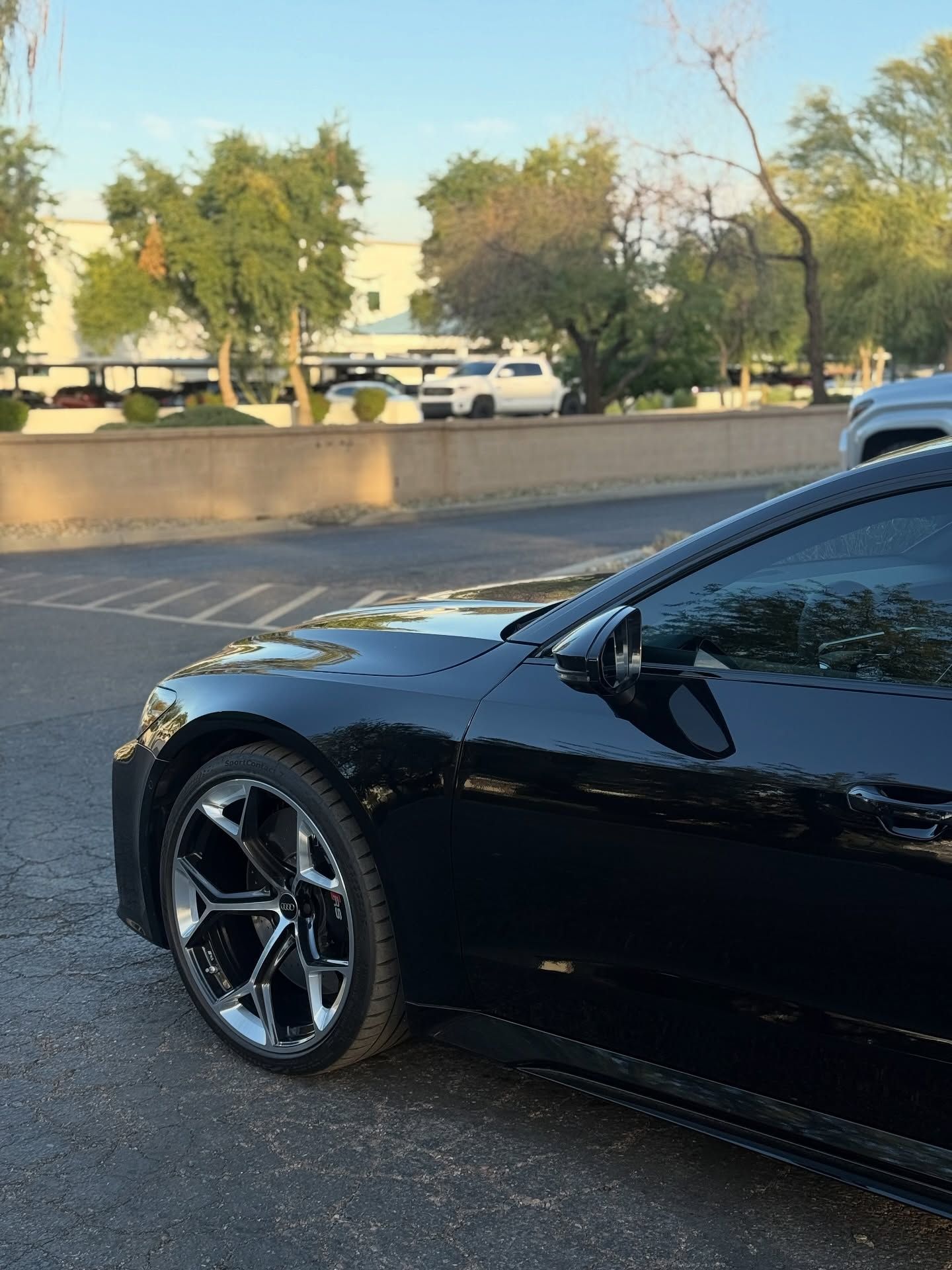
Paint protection film stops rock chips; ceramic coating stops sun, water spots and grime. PPF is a thick, clear urethane film that physically absorbs impacts. A ceramic coating is a thin, hard chemical layer bonded to the clear coat that sheds water and dirt and slows UV damage. They solve different problems, which is why so many Phoenix drivers who commute on I-17 or the 101 and park in the sun end up with both: film on the front end, coating over the whole car.
Key Takeaways
- PPF is the only one that stops rock chips. A coating, even one rated 9H, cannot stop gravel at freeway speed.
- Ceramic coating is the better tool for the sun. It fights oxidation, hard-water spotting and bird-dropping etch, and it makes washing faster.
- They work best together. Film goes on first; the coating goes over the film and every uncovered panel.
- In Phoenix, coverage beats choice. Most daily drivers here need film on the front end and a coating everywhere, because the Valley throws both rocks and UV at the paint.
- Every PPF install here carries our No Fault Warranty on top of the 10-year STEK film warranty.
What Is the Difference Between PPF and Ceramic Coating?
The difference is thickness and job. Paint protection film is a sheet of thermoplastic urethane laid over the paint; the STEK DYNOshield we install is 8 mils thick, glossy, hydrophobic and self-healing, so light scratches in the topcoat close up with heat or hot water. A ceramic coating is a liquid nano-ceramic that cures into a hard, glass-like layer measured in microns, a small fraction of the film's thickness. FEYNLAB, the coating we are certified to install, cures three times harder than automotive clear coat.
That thickness is the whole story. Film has enough body to absorb a rock strike and spread the impact before it reaches the paint. A coating is too thin to absorb an impact at all; what it does instead is make the surface slick, chemically resistant and UV-stable, so contaminants sit on the coating rather than etching the clear coat.
- PPF is a physical barrier: chips, gravel sandblasting, scratches, light door dings and parking-lot scuffs on the panels it covers.
- Ceramic coating is a chemical barrier: UV fade, oxidation, hard-water spots, bird droppings, bug acid, road tar and dirt bonding, across every surface it covers.
PPF vs Ceramic Coating: Side-by-Side
PPF wins on impact protection and ceramic coating wins on cost, coverage and day-to-day cleaning. The comparison below uses the products we install and the Phoenix price ranges published in our own cost guides.
| Factor | Paint protection film (PPF) | Ceramic coating |
|---|---|---|
| What it is | Clear urethane film, 8 mil (STEK DYNOshield) | Liquid nano-ceramic that cures into a hard layer (FEYNLAB) |
| Rock chips and gravel | Stops them on covered panels | Does not stop them |
| Light scratches and swirls | Self-heals with heat or hot water | Resists light wash marring; does not self-heal |
| UV fade and oxidation | Protects covered panels | Protects every coated surface |
| Hard-water spots and etching | Film surface can still spot | Strong resistance; water beads and sheets off |
| Ease of washing | Good; hydrophobic topcoat | Best; dirt releases at a rinse |
| Coverage | Panels you choose: partial front to full body | Whole car, plus wheels, glass and trim if added |
| Rated lifespan | 10-year STEK film warranty | About 2 to 9 years, by coating tier |
| Published Phoenix price | About $700 partial front to $8,000+ full body | About $500 to $3,000+ by tier |
| Removal | Peels off, leaving the original paint | Wears down; removed by machine polishing |
Price ranges are what Phoenix-area shops published in September 2026, as detailed in our PPF cost guide and ceramic coating cost guide. They are market ranges, not our price list.
Which One Do You Need? Match It to How You Drive
Choose PPF if rock chips are the problem, ceramic coating if the sun and water are the problem, and both if you have both problems, which most Phoenix drivers do. These are the patterns we see at the shop:
- Daily freeway commuter (I-17, Loop 101, Loop 303, US-60): full front PPF at minimum. Gravel trucks and construction zones chip a bare bumper within months. Add a coating for the rest of the car.
- Parked outside at home or work: ceramic coating first. Sprinkler overspray, monsoon rain and 150°F paint surfaces bake water spots and bird droppings into bare clear coat in a day.
- New delivery you plan to keep: both, done the week you take delivery, before the first chips and before swirls need correcting.
- Lease you will return: PPF on the front end. It protects against the chip charges at turn-in and peels off cleanly.
- Garaged weekend car: a coating may be all it needs, unless it sees freeway miles to Cars and Coffee.
- Trucks and SUVs with tires that spray the sides: full front PPF plus a track package on the rockers and rear arches, then a coating over the rest.
If you are still deciding whether film is worth it on a commuter, our post on PPF on a daily driver in Phoenix runs the numbers against a bumper respray.
Can You Put Ceramic Coating Over PPF?
Yes, and it is the combination we recommend most. The film goes on first; the coating goes on after, over the film and over every panel the film does not cover. That order matters: a coating applied first would leave the film nothing to adhere to.
A coating on top of PPF does three things for the film. It makes the film's surface slicker, so dust and bug residue release at a rinse. It adds chemical resistance, which helps the film resist staining from bird droppings and hard water. And it evens out the look, so coated film and coated paint shine the same across the car. The film keeps its self-healing ability under a coating, so light scratches still close up in the Arizona heat.
On a combined job at our shop the sequence is: wash, decontaminate and correct the paint; install plotter-cut STEK film; let the film settle; then apply FEYNLAB across the whole car and let it cure indoors, out of the dust. One drop-off, one pickup.
Why Phoenix Changes the Answer
Most PPF-versus-coating guides are written for mild climates where you pick one. Phoenix punishes paint from both directions at once, which is why the answer here is usually both.
- Rocks: I-17 runs past our North Phoenix shop, and between it, Loop 101 and Loop 303 the Valley has constant gravel-truck and construction traffic. Only film stops what those trucks throw.
- Haboobs: monsoon dust storms from June through September sandblast front ends and micro-abrade bare clear coat. Film absorbs that; a coating gives the dust nothing to grab.
- Hard water: Valley tap water leaves mineral spots that etch hot paint quickly. A coating's water-beading surface is the best defense.
- Heat and UV: the National Weather Service Phoenix office logs long runs of 110°F days, and dark paint gets far hotter than the air. UV oxidizes unprotected clear coat; the same heat helps STEK film self-heal its light scratches.
Is Ceramic Coating a Substitute for PPF?
No. A coating's hardness rating describes scratch resistance against light marring, not impact protection. "9H" is a pencil-hardness test, and even a coating that cures three times harder than clear coat is still only microns thick. A rock at 65 mph goes through it and into the paint. If chips are your concern, only film solves it.
The reverse is partly true. On the panels it covers, PPF already protects against UV and contamination, so a film-wrapped hood does not strictly need a coating. But film only covers the panels you pay for, and the uncovered roof, doors and rear quarters are still bare clear coat in the Phoenix sun. A coating closes that gap for a fraction of the cost of full-body film.
What the Warranty Covers
10-Year STEK Film Warranty
Every STEK clear bra install carries the manufacturer's 10-year warranty on the film.
No Fault Warranty
Covers ANY PPF REPLACEMENT, ANY TIME, for ANY REASON with an UNLIMITED amount of replacements, in addition to the manufacturer warranty.
That second warranty is the one to compare when you collect quotes. Most shops warranty the film against defects; ours replaces the panel when a rock on the 101 does its job and tears the film instead of your paint.
PPF vs Ceramic Coating FAQ
Can I get both PPF and ceramic coating?
Yes, and for a car that lives in Phoenix it is the most complete protection available. Film goes on the high-impact panels first, then the ceramic coating goes over the film and the rest of the car. The coating makes the film easier to clean and more stain-resistant.
Is ceramic coating applied on top of PPF?
Yes. The coating always goes on after the film, never under it, because film needs to bond directly to clean, corrected paint. Once the film has settled, the coating is applied over the whole vehicle, film included.
Which lasts longer, PPF or ceramic coating?
STEK paint protection film carries a 10-year warranty. Professional ceramic coatings are rated from about 2 to 9 years depending on the tier and how the car is washed. In Phoenix, both last longest when the car is hand-washed or touchless-washed rather than run through brush washes.
What destroys ceramic coating?
Abrasion and harsh chemistry. Brush car washes, gritty wash mitts, machine polishing and strong degreasers wear the coating down over time. Use a pH-neutral car soap and clean microfiber, and avoid dish soap as a regular wash, since its degreasers are made to strip protective layers.
Is there anything better than ceramic coating?
For rock chips and scratches, yes: paint protection film. For UV, water spots and easy washing, a professional ceramic coating is the strongest option short of film, and it costs far less than covering the whole car in film. Many owners use film on the front end and a coating everywhere else.
Does PPF turn yellow in the Arizona sun?
Modern premium films are built not to. STEK DYNOshield is warranted for 10 years against yellowing, cracking, peeling and delamination, and a ceramic coating over the film adds another layer against staining.
Get a PPF and Ceramic Coating Quote
Tell us your year, make and model and how you drive, and we will tell you exactly what your car needs, film, coating or both, with a firm number the same day.
(480) 296-6311 PPF Services Ceramic Coating ServicesBacked by our No Fault Warranty: any PPF replacement, any time, for any reason. Impeccable Detail • 23015 N 15th Ave STE 106, Phoenix, AZ 85027 • Local shuttle and after-hours drop-off • Affirm and Afterpay financing • Locally owned since 2017